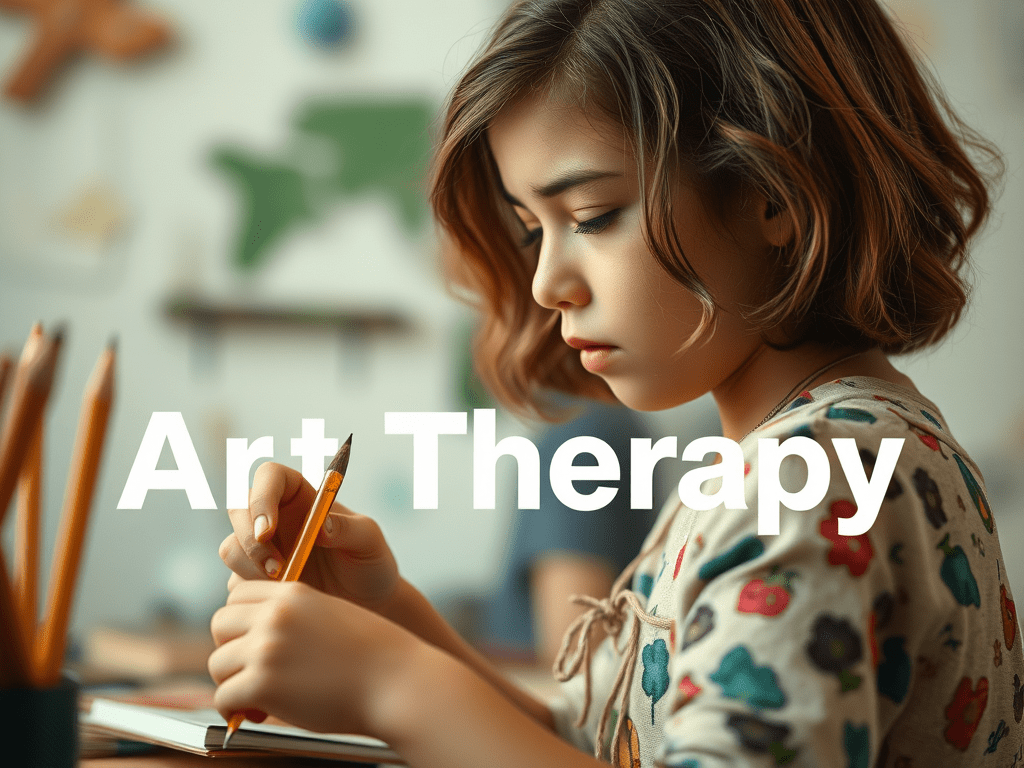
My own aim is to create something artistic once a month.
1. Emotional Expression:
- Outlet for feelings: Art provides a safe and creative outlet to express emotions that might be difficult to put into words.
- Trauma processing: For individuals who’ve experienced traumatic events, art can be a therapeutic tool for processing and understanding their emotions.
2. Stress Reduction:
- Mindfulness: Creating art often requires focusing on the present moment, which can reduce stress and anxiety.
- Relaxation: The process of creating can be meditative, promoting relaxation and calming the mind.
3. Improved Self-Esteem:
- Achievement and accomplishment: Completing a piece of art can boost self-confidence and provide a sense of achievement.
- Self-discovery: Exploring one’s creativity can lead to a deeper understanding of oneself and one’s capabilities.
4. Social Connection:
- Shared experiences: Engaging in art communities or workshops can foster social connections and a sense of belonging.
- Support network: Sharing art with others can create a supportive environment for discussing emotions and experiences.
5. Cognitive Benefits:
- Problem-solving: Art often involves problem-solving and critical thinking, which can enhance cognitive function.
- Creativity: Engaging in creative activities can stimulate the brain and promote innovation.
Remember: Art therapy is a professional practice that involves a trained therapist guiding individuals through creative exercises. While anyone can benefit from creating art, professional guidance can be particularly helpful for those dealing with specific mental health challenges.

 Essence of Joy!
Leave a comment